
The Norwegian crane classes are the framework that governs operator training and certification: the class the machine belongs to decides what training the operator must hold.
The overview below shows the Norwegian crane classes with a typical example of each. Whether certified or documented training is required for a class follows from the Regulations concerning the performance of work — see regulations.
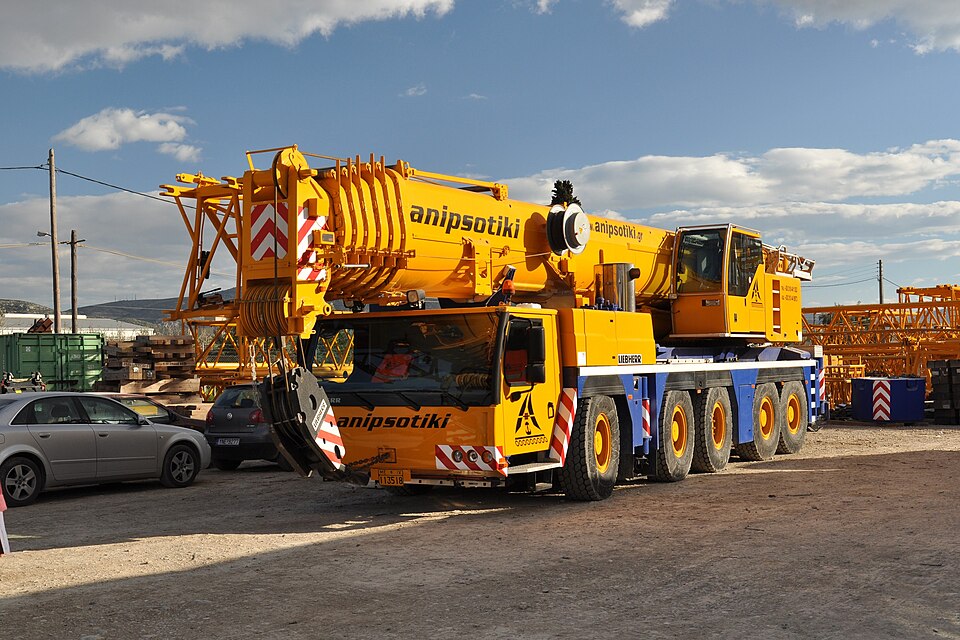
G1Mobile crane
Self-propelled cranes that drive between jobs and set up on outriggers. The most common crane on construction sites for heavy single lifts.
Photo: K. Krallis, SV1XV / Wikimedia Commons (CC BY-SA 3.0)
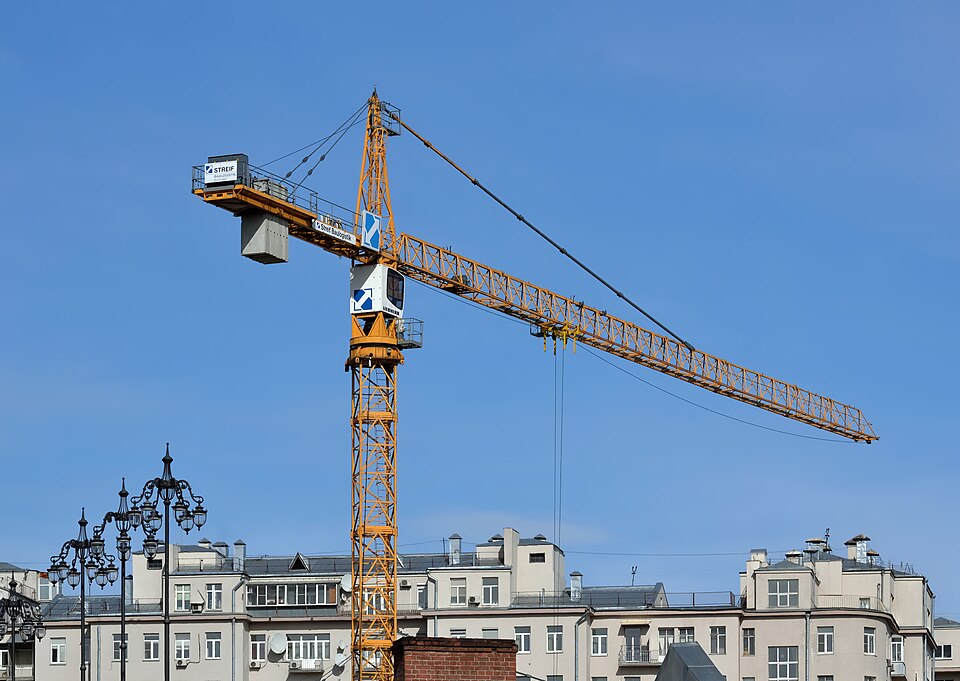
G2Tower crane
Fixed-mounted crane with tower and jib, used on large construction sites over longer periods. Erected, climbed and dismantled as the project progresses.
Photo: Dmitry Ivanov / Wikimedia Commons (CC BY-SA 4.0)
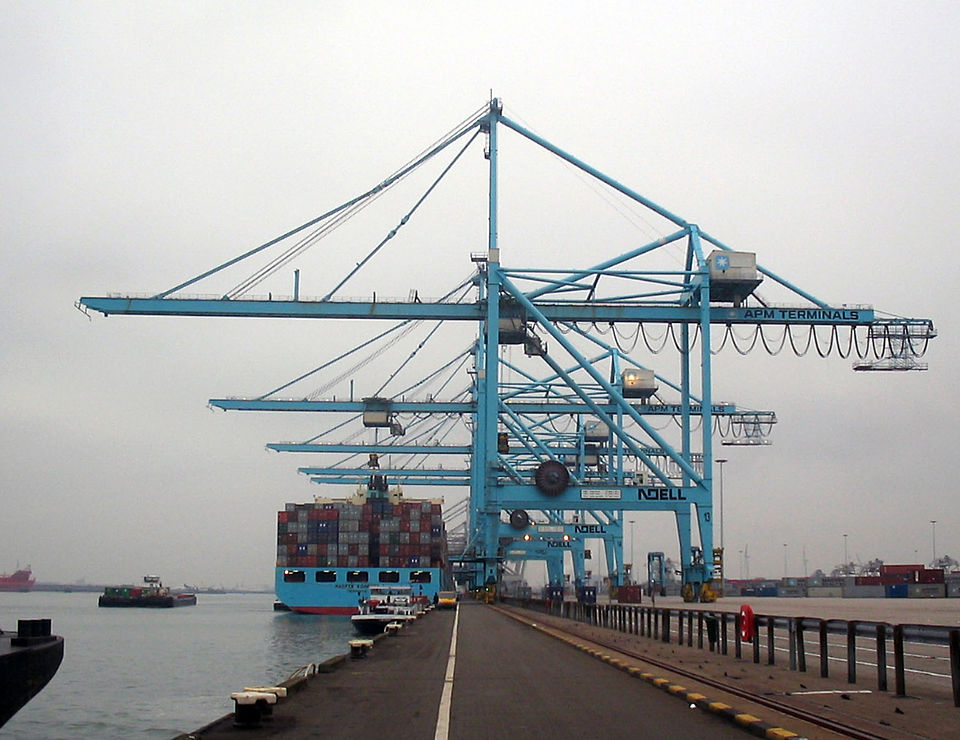
G3Slewing and portal crane
Cranes on a portal or pedestal, often rail-mounted — typical in ports, shipyards and storage yards. The container cranes in the photo are a classic example.
Photo: M.Minderhoud / Wikimedia Commons (CC BY-SA 3.0)
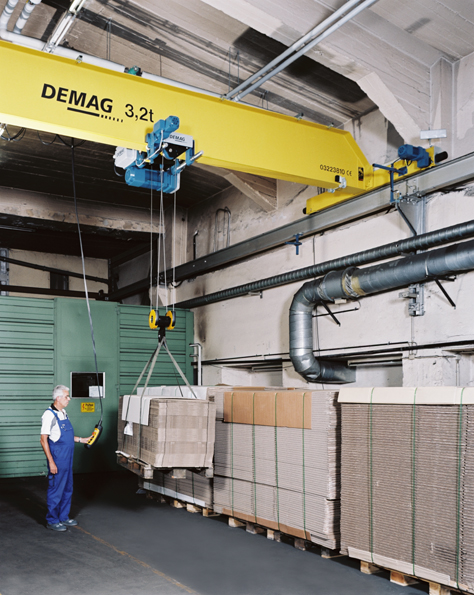
G4Bridge and overhead crane
Crane running on rails under the roof of industrial halls and workshops. Often operated from the floor with a pendant or radio control.
Photo: Rvancopp / Wikimedia Commons (CC BY-SA 4.0)
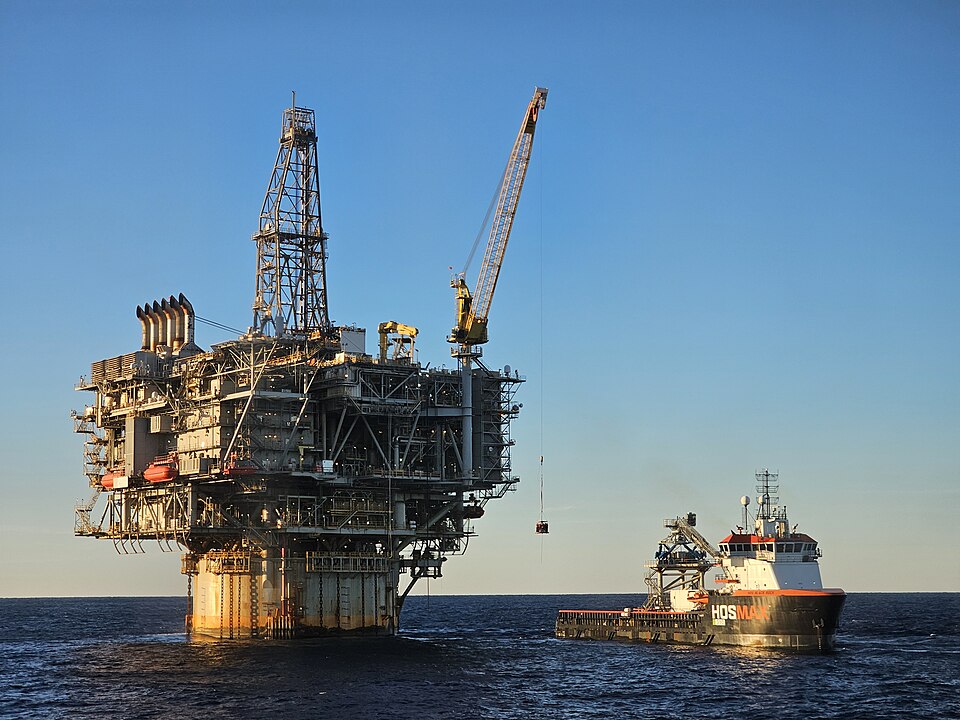
G5Offshore crane
Cranes on offshore platforms and installations. Lifting between vessel and installation in moving seas — separate offshore requirements and procedures apply.
Photo: GuavaTrain / Wikimedia Commons (CC0)
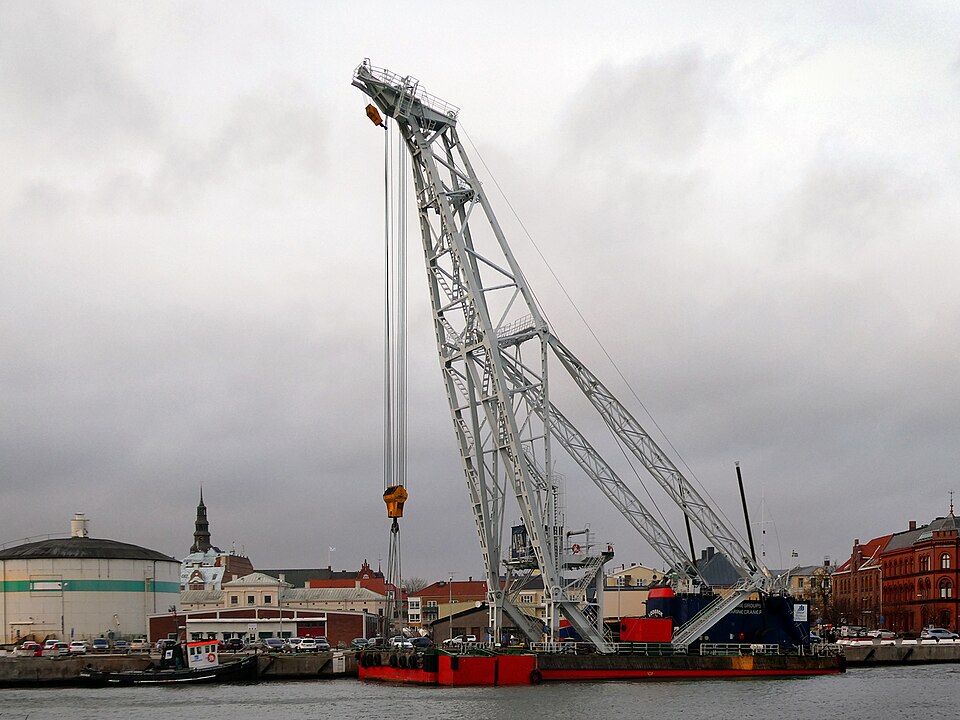
G6Floating crane
Crane mounted on a barge or its own floating foundation. Used for heavy lifts in ports, at bridges and in marine construction work.
Photo: Jonn Leffmann / Wikimedia Commons (CC BY 3.0)
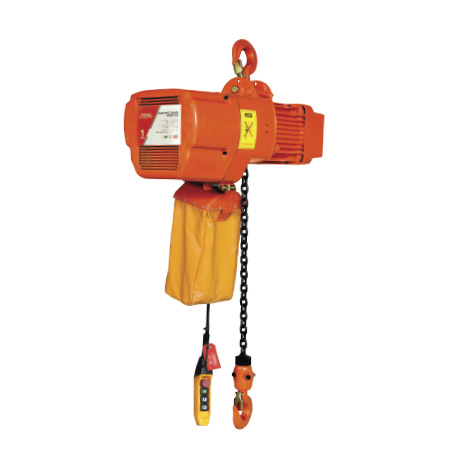
G7Winches, capstans and hoists
Lifting devices without a crane arm — winches, capstans and hoists that pull or lift the load directly. Found everywhere from workshops to stage rigging and industry.
Photo: Aldifahri16 / Wikimedia Commons (CC BY-SA 4.0)
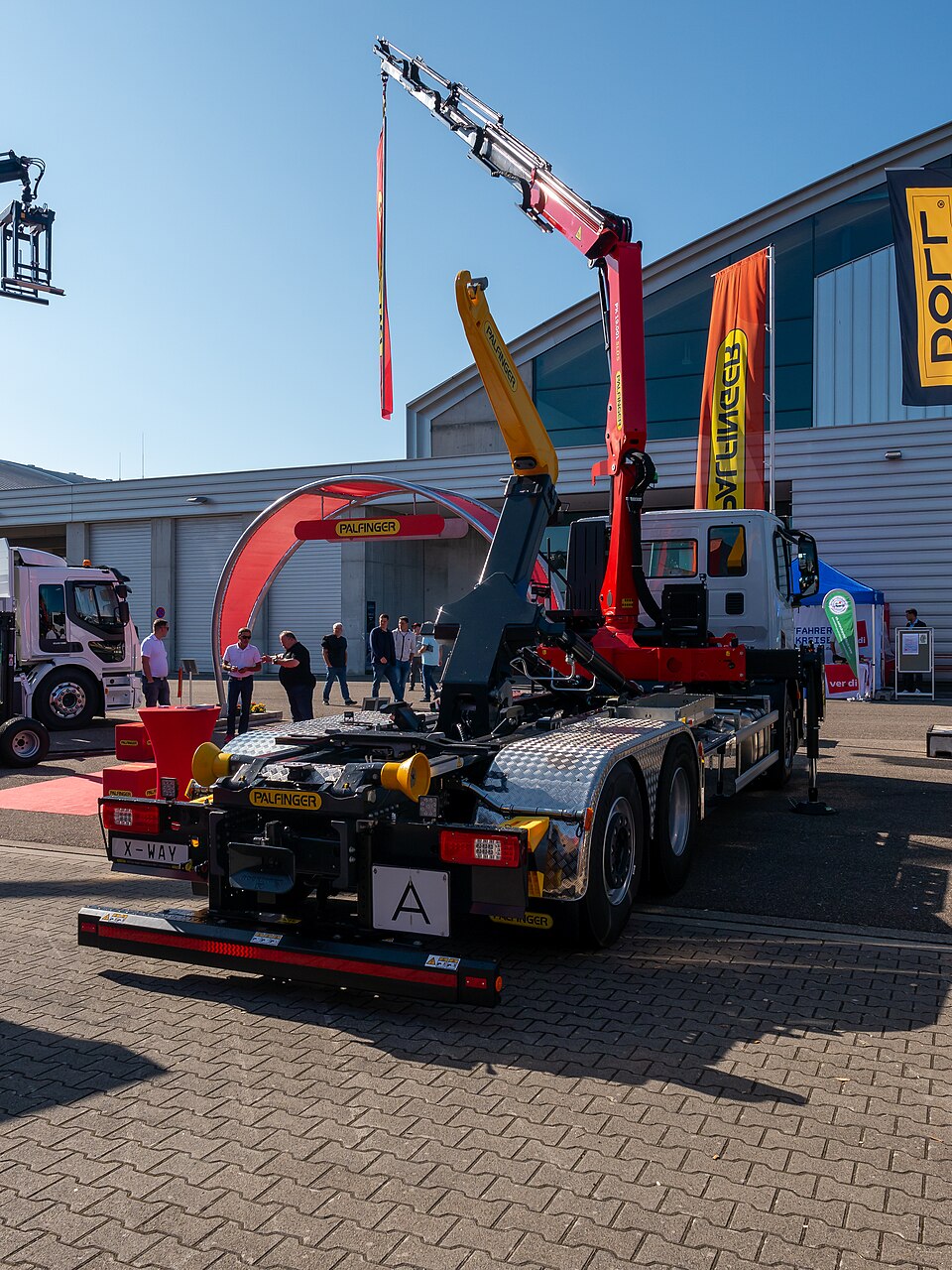
G8Loader crane
Crane with a load moment above 2 tonne-metres mounted on a truck. Used for loading, unloading and installation wherever the truck can reach.
Photo: Matti Blume / Wikimedia Commons (CC BY-SA)
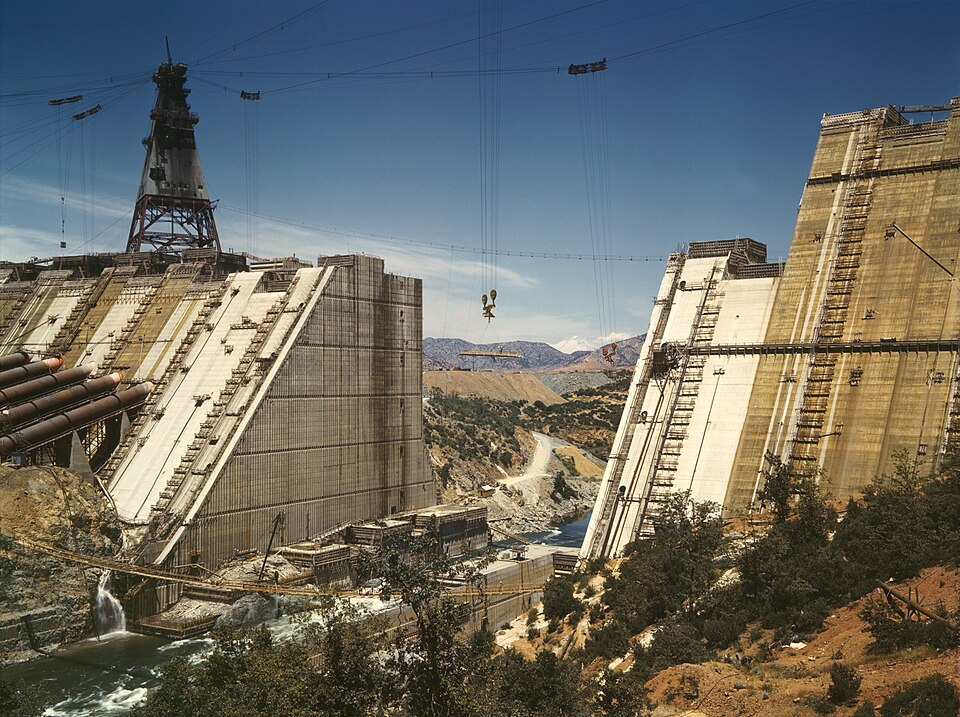
G9Cable crane
Crane where the load travels on carrier cables spanned between towers. Used where the terrain rules out other cranes — dam sites, ravines and cableway installations.
Photo: Russell Lee / Wikimedia Commons (Public domain)
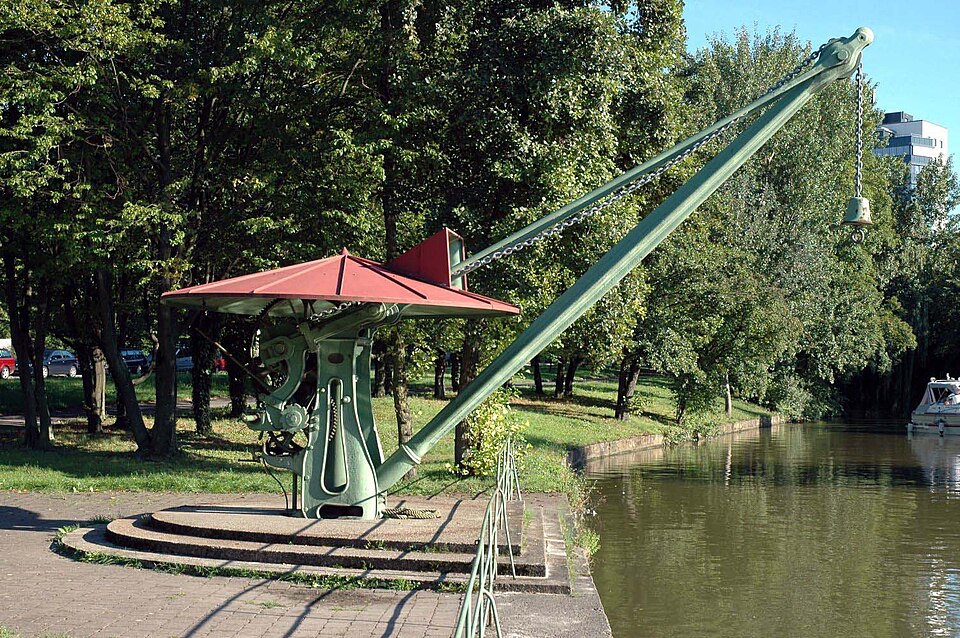
G10Hand-operated crane
Cranes without powered drive — hoisting and slewing are driven by crank or hand chain. Still used where lifts are small and no power or hydraulics is available.
Photo: K. Jähne / Wikimedia Commons (CC BY-SA 3.0)
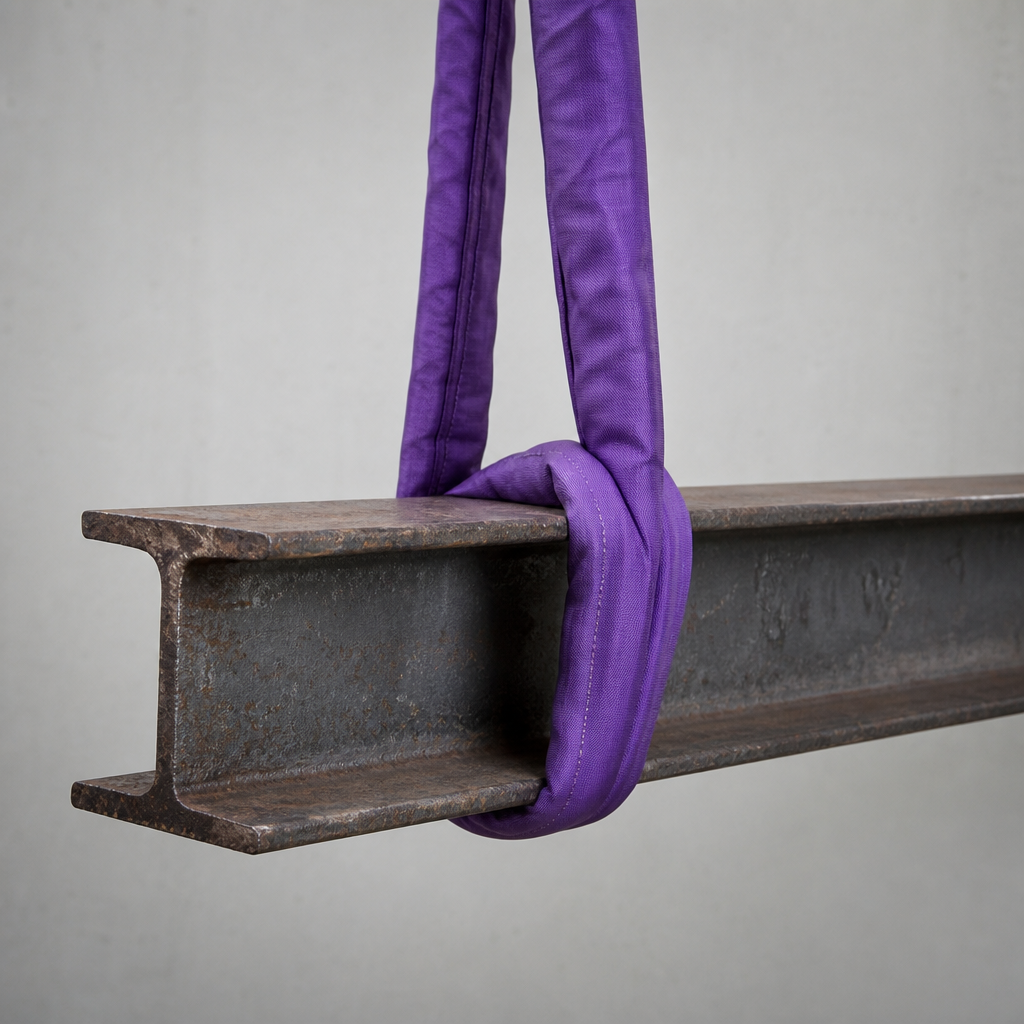
G11Lifting gear
The foundation course for whoever slings the load and signals to the crane operator — the slinger and signaller. A mandatory basis before several of the crane classes.
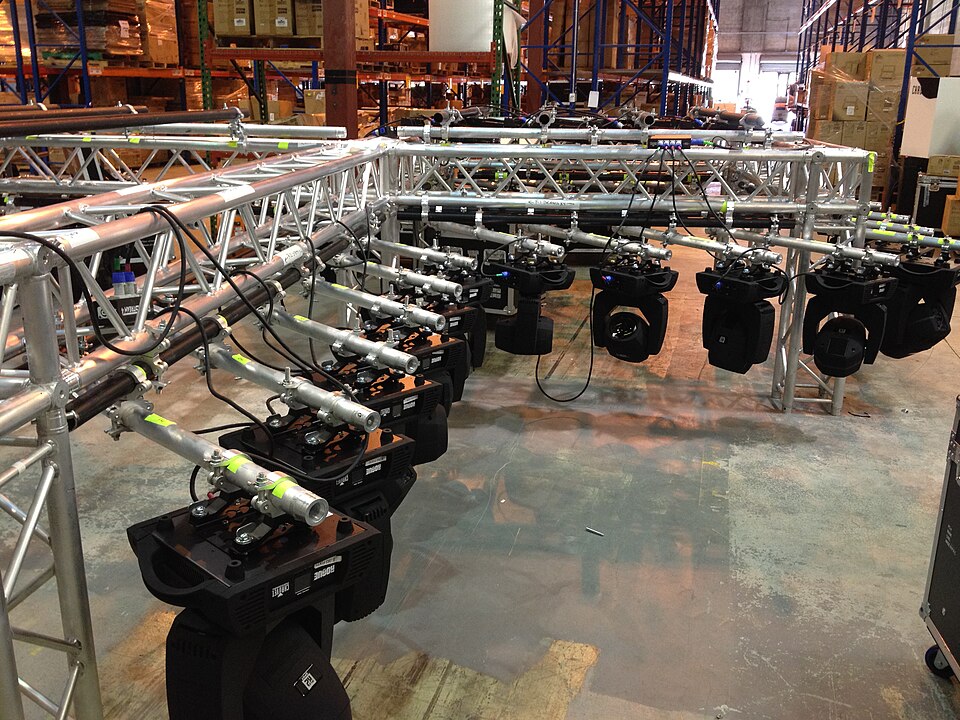
G12Studio and stage rigging
Rigging of truss, hoists and motorised lifts in studios and on stage — lifting equipment hanging above performers and audience, with its own requirements for the rigger.
Photo: Lumenbuddha / Wikimedia Commons (CC BY-SA 4.0)
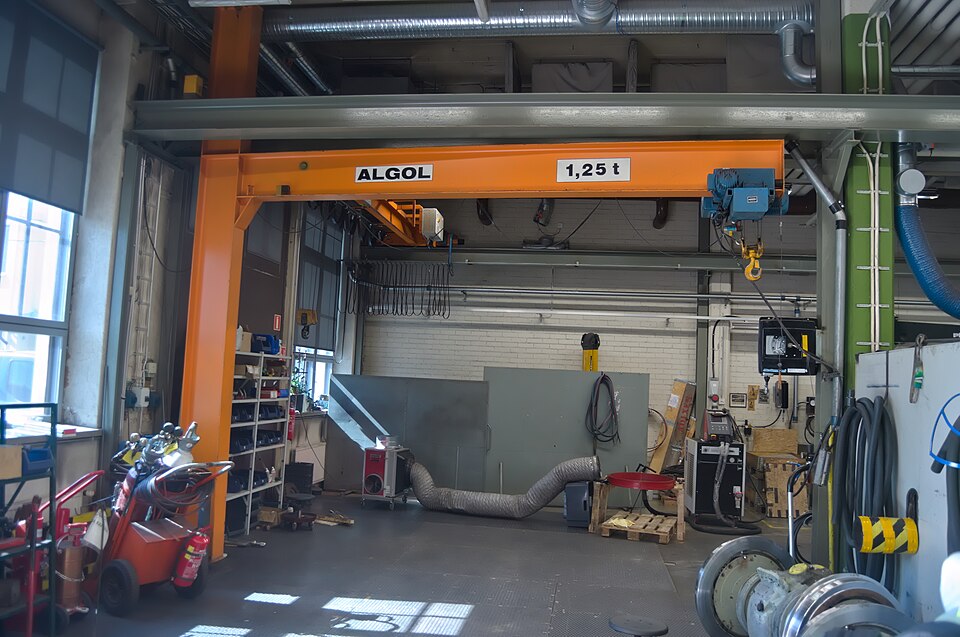
G20Fixed hydraulic crane
Cranes permanently mounted to a foundation, floor or wall — bolted in place where they do their job, such as pillar and wall-mounted slewing cranes in workshops and industry.
Photo: Antti Leppänen / Wikimedia Commons (CC BY 4.0)
Telehandlers (the C classes)
Telehandlers have their own class structure outside the G classes, with separate training. See the dedicated page on telehandlers.
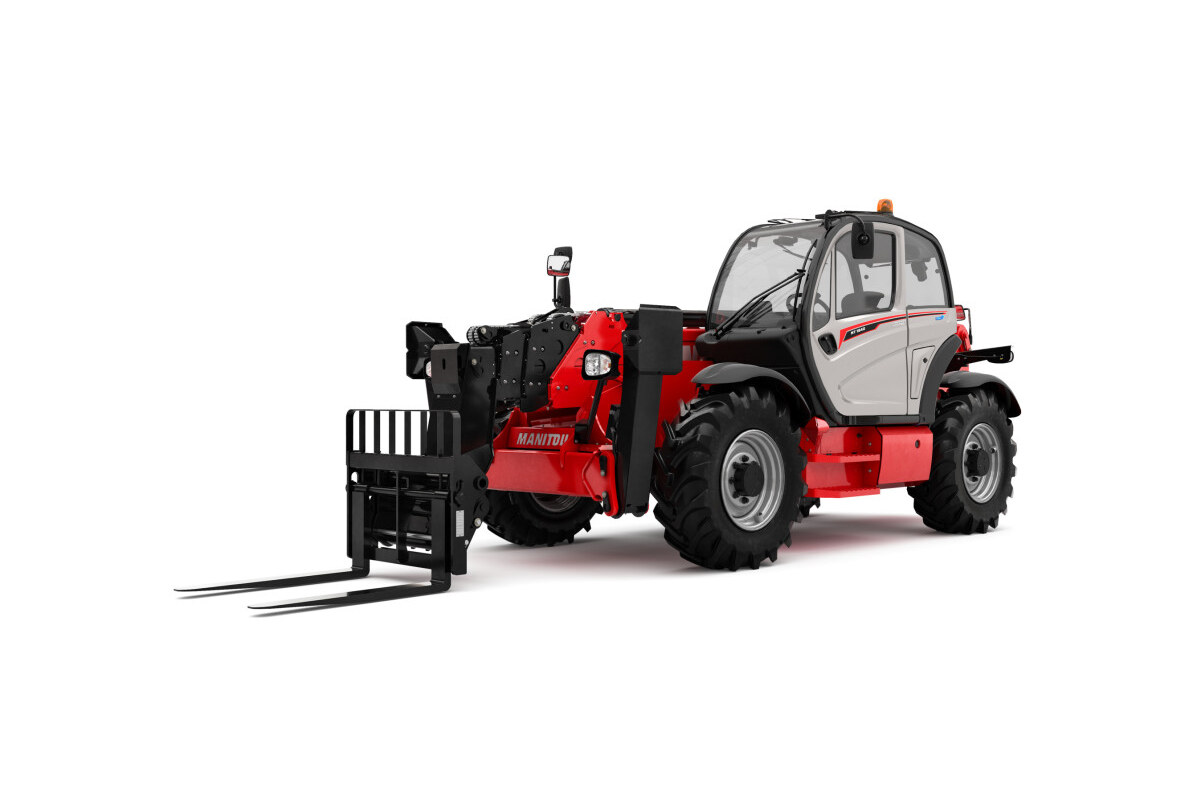
C1Telehandler
Telehandler with a fixed (non-slewing) upper structure. The boom telescopes out and up — the workhorse on construction sites and in agriculture.
Photo: Manitou
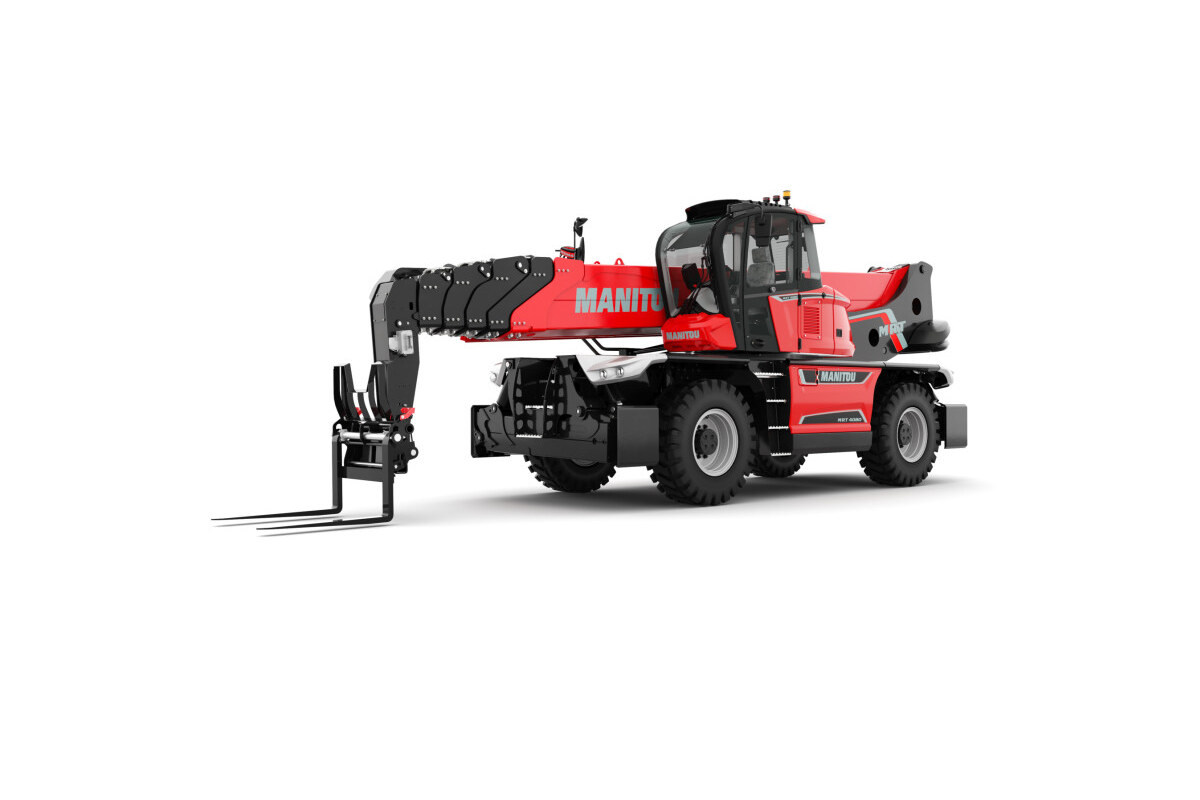
C2Rotating telehandler
Telehandler whose upper structure slews 360°. With a winch and basket it works as both crane and access platform — the training covers more than C1.
Photo: Manitou
Personnel lifts (classes A–C)
Personnel lifts (MEWPs) have their own class structure. Note class A: it gathers two different lift types — both the manually movable lifts pushed into place by hand, and the trailer-mounted lifts towed behind a vehicle. The class is decided by how the lift is moved, not by the shape of the boom.
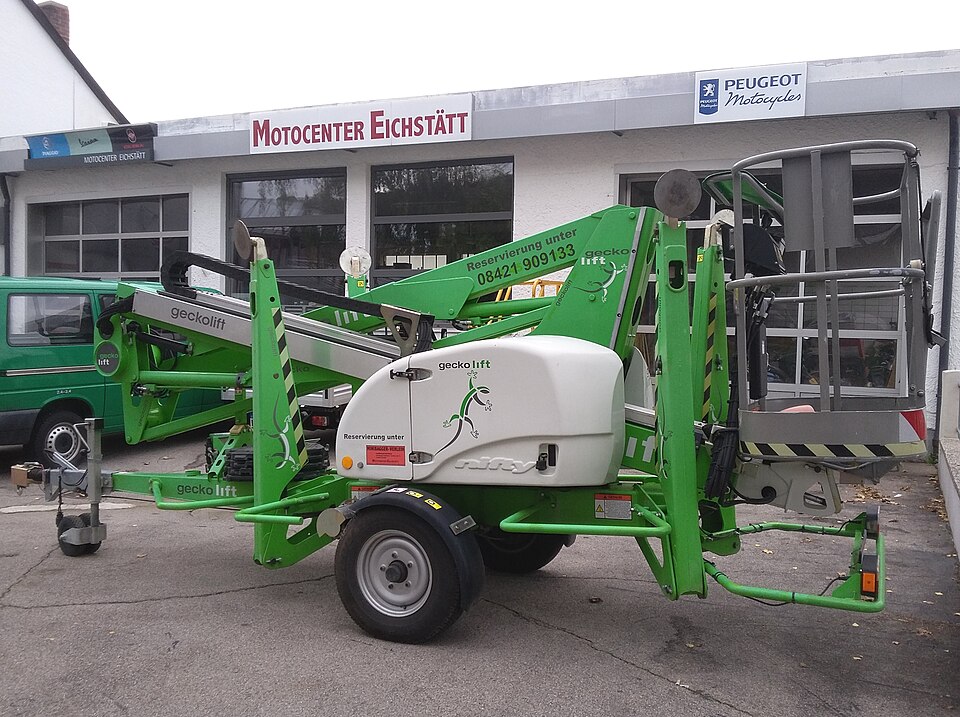
AManually movable and trailer-mounted lift
Two types in one class: lifts moved by hand (push-around mast and scissor lifts) and lifts mounted on a trailer, as in the photo. What they share is that they are not driven — they are set up on outriggers where they will be used.
Photo: Chaddy / Wikimedia Commons (CC BY-SA 4.0)
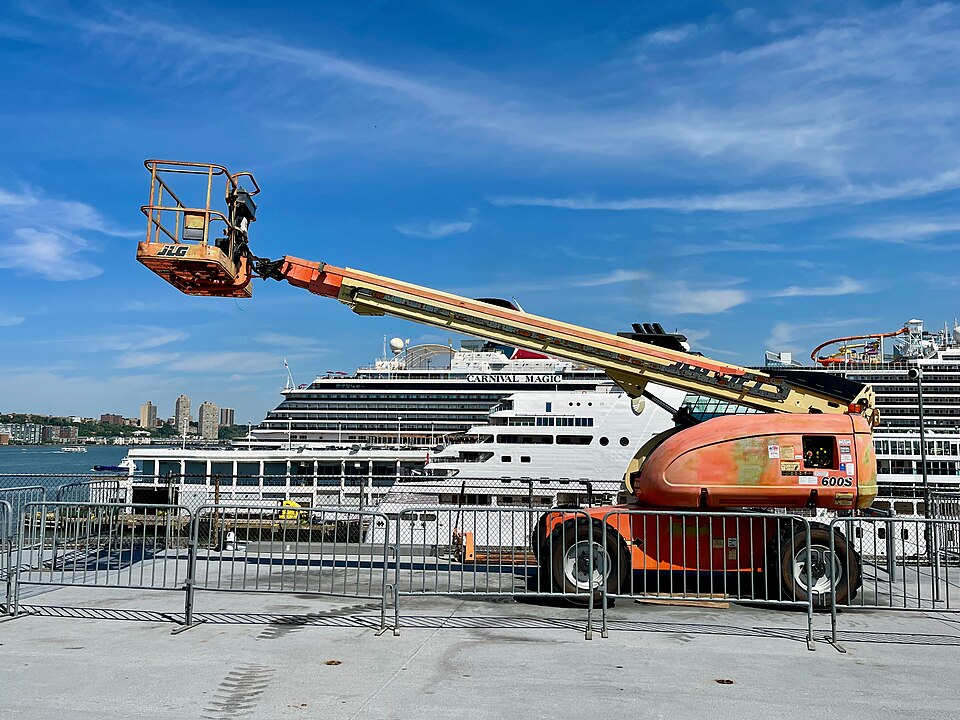
BSelf-propelled lift
Lifts driven with the operator in the basket or on the platform — self-propelled scissor and boom lifts. Stability comes from counterweight and chassis, not outriggers.
Photo: Oleg Yunakov / Wikimedia Commons (CC BY-SA 4.0)
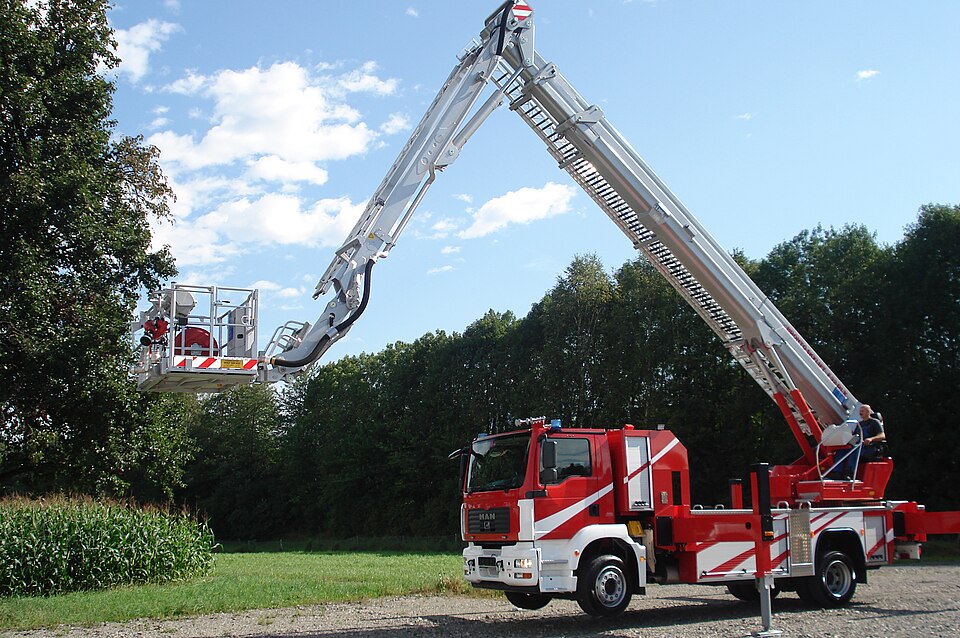
CVehicle-mounted lift
Lifts mounted on a truck or other vehicle — the largest and most mobile personnel lifts, with working heights far beyond the other classes.
Photo: TMA / Wikimedia Commons (CC BY-SA 3.0)
What documentation each class requires, and who may provide the training, is set out in the regulations.